




Many rural schools in Malawi have no library at all. Pupils often share a handful of textbooks between whole classes. Setting up a school library in rural Malawi can change this, and it costs less than most people think.
Quick Answer: How to Set Up a School Library in Rural Malawi
To establish a successful school library in rural Malawi, it is important to begin by gaining the support of both the school and the wider community. Meet with school leaders, teachers, parents, community leaders, and local organisations to explain the benefits of a library and encourage their involvement. Community support can help provide volunteers, protect library resources, and create a sense of ownership that contributes to the library’s long-term sustainability.
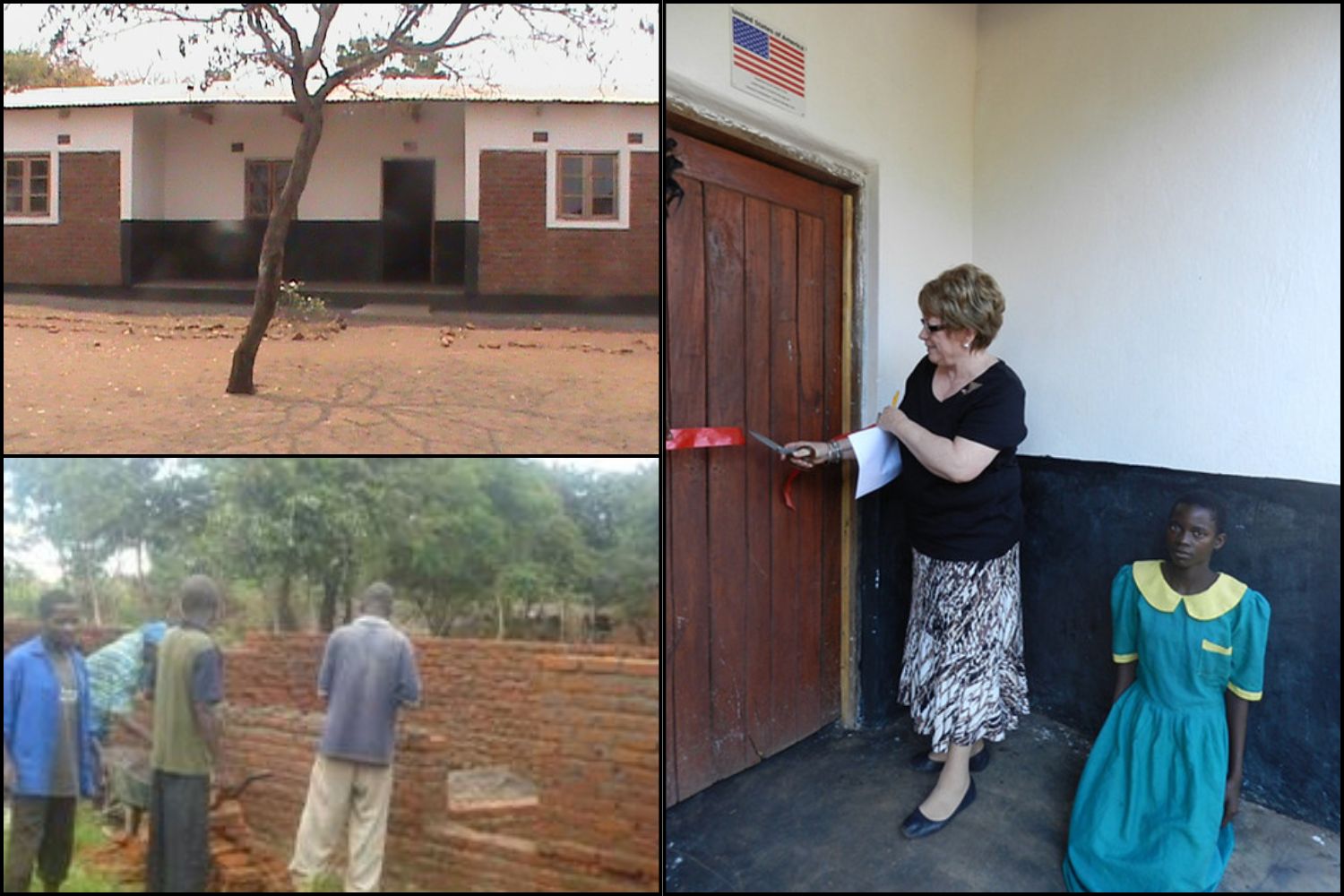
Once support has been secured, identify and prepare a suitable room for the library. The space should be clean, secure, well-ventilated, and large enough to accommodate bookshelves, tables, and reading areas. Basic improvements such as repairing walls, adding locks, and arranging furniture can make the room welcoming and functional for learners.
The next step is to acquire books and other learning materials. Apply for book donations through organisations such as the African Library Project or the Malawi National Library Service, both of which support literacy and library development initiatives. When requesting donations, clearly explain the school’s needs, the number of learners who will benefit, and how the books will be managed and maintained. Aim to build a collection that includes storybooks, reference materials, textbooks, and age-appropriate reading resources.
A dedicated teacher or community member should then be selected and trained to serve as the teacher-librarian. This individual will oversee the daily running of the library, organise books, assist learners in finding materials, and encourage reading activities. Basic training in library management, record-keeping, and book care will help ensure that the library operates efficiently.
Finally, establish a simple borrowing system to keep track of library materials. Maintain a register that records the borrower’s name, the book title, the date borrowed, and the return date. Create clear borrowing rules and explain them to all users. Regular monitoring of borrowed books and library records will help prevent losses, ensure accountability, and make books available to as many learners as possible. With strong community support, adequate resources, and proper management, a school library can become a valuable centre for learning and literacy development in rural Malawi.
Step 1: Build Support for Your School Library in Rural Malawi
Talk to the headteacher, the Parent Teacher Association and village leaders early. Community support makes it easier to find a room, raise funds and keep your school library in rural Malawi running long after it opens.
Step 2: Choose and Prepare a Room
You do not need a new building. A spare classroom, church hall room or community centre can work well for a school library in rural Malawi. Clean it, fix the roof and windows, and add simple locks to keep books safe.
Step 3: Get Shelves and Basic Furniture
Local carpenters can often build simple wooden shelves at a low cost. Add a table and chairs for reading, if your budget allows it. Keep the layout of your school library in rural Malawi simple, so pupils can find books easily.
Step 4: Get Support From the Malawi National Library Service
The National Library Service runs an Extramural Services Department that supports rural and school libraries. It can help set up your school library in rural Malawi, train a teacher-librarian, and advise on running the space well.
Step 5: Apply for Book Donations
The African Library Project has worked in Malawi since 2009, through partners such as DAPP Malawi and the Wungwero Book Foundation. A small school library in rural Malawi needs around 1,000 books, mostly paperbacks, which the project can help you source. Book Aid International also funds community reading spaces through its Community Reading Awards, which can cover shelving, training and new books.
Step 6: Train a Librarian for Your School Library in Rural Malawi
Choose a responsible and trustworthy teacher, volunteer, or respected community member to serve as the library librarian. This person will oversee the daily operation of the library, including opening and closing the space, organising books on shelves, helping learners find reading materials, and promoting a culture of reading within the school and community. If possible, provide basic training on library management, record-keeping, and book care to ensure the library is well maintained.
Establish clear and simple borrowing procedures that everyone can easily follow. Keep a register where learners and teachers record the title of each book borrowed, the borrower’s name, the date borrowed, and the expected return date. Set reasonable borrowing limits and explain the consequences of late returns or lost books. Regularly check the inventory and update records to track book usage and identify missing items early. A well-trained librarian and a straightforward system will help protect the library’s resources, ensure books remain available for future readers, and support the long-term success of the library.
Step 7: Keep Pupils Coming Back
Run reading clubs, storytelling sessions or reading competitions to build interest. A school library in rural Malawi only helps children if they use it, so make it a welcoming and active space.
Why a School Library in Rural Malawi Matters
A school library gives children access to books, ideas and information they cannot get anywhere else. It supports their right to learn and grow.
CRIDOC works to promote children’s access to information and their right to education across Malawi. Visit the CRIDOC homepage or read more on the About CRIDOC page to see how the organisation supports children’s rights.
Start small, get your community involved, and your school library in rural Malawi can grow year after year.

Leave a Reply