The idea for our Child Rights eLibrary came from what I witnessed during my early years as a journalist. Time and again, I met children, parents and community members who wanted to understand children’s rights but had few places to turn for reliable information. Important laws, policies and guidance existed, yet they were often difficult to access or presented in ways that were not useful for ordinary families. I became convinced that children needed a dedicated resource where they could learn about their rights, responsibilities and opportunities in a clear and practical way.
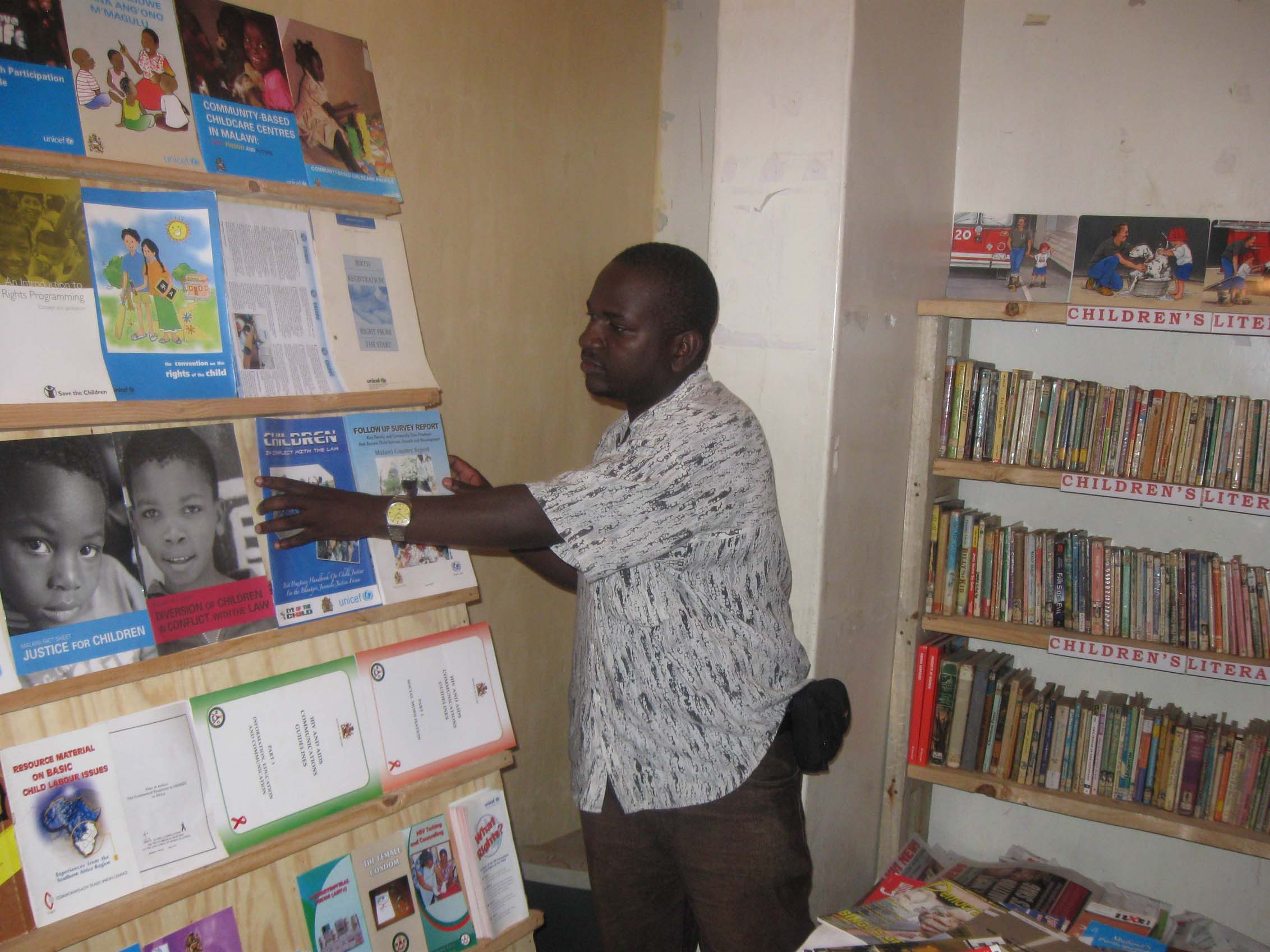
In response to that need, the Child Rights Information and Documentation Centre (CRIDOC) opened its first physical library in Lilongwe in 2006. The library became a welcoming space for students, teachers, parents, journalists and community groups seeking information on child protection, education, health and human rights. For several years, it provided resources that helped raise awareness of children’s rights and encouraged informed discussions within communities.
However, maintaining a physical facility required significant financial resources. Rent, staffing, utilities, equipment and ongoing maintenance costs steadily increased, making it difficult to sustain the library over the long term. Faced with these challenges, we had to make a difficult decision. Rather than allow the collection and knowledge base to disappear, we chose to transform the project into a digital platform – the Child Rights eLibrary – that could continue serving the public while operating at a fraction of the cost.
Today, the CRIDOC Child Rights eLibrary carries forward the same mission with greater reach and accessibility. Anyone with an internet connection can access information regardless of their location, whether they are in a city, town or rural community. By removing geographic barriers, the eLibrary enables more children, educators, advocates and families to access the information they need to promote and protect children’s rights.
While the format has changed, our vision remains the same. We believe that access to information is a powerful tool for empowerment and social change. When children understand their rights and adults understand their responsibilities, communities are better equipped to prevent abuse, support education and create safer environments for young people to grow and thrive. The CRIDOC eLibrary is our way of ensuring that knowledge remains available to all who need it, both today and for future generations.