




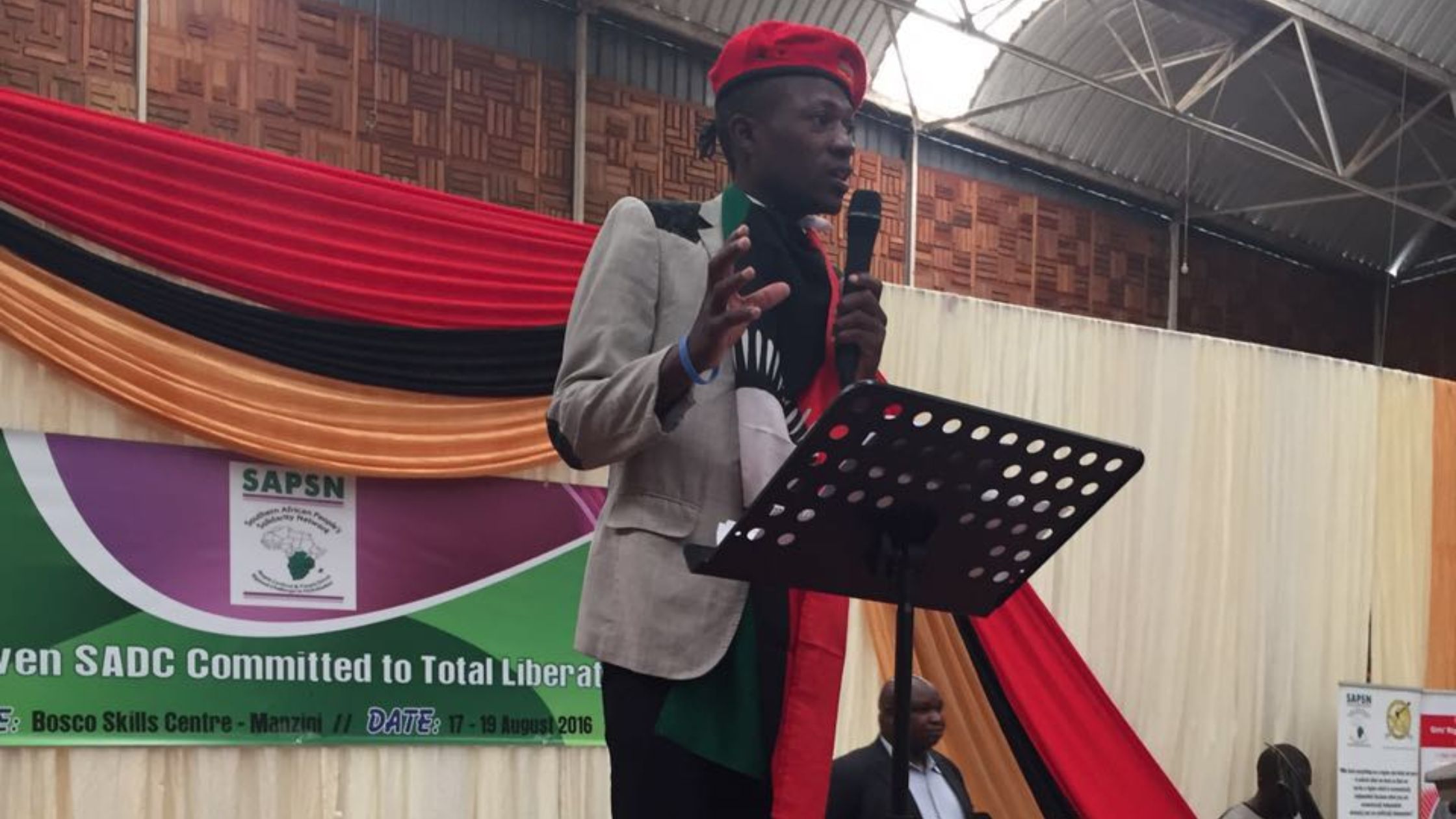
The late Edward Phiri, former Team Leader of the Child Rights Information and Documentation Centre (CRIDOC), delivered a memorable solidarity speech on behalf of the Malawi delegation during the 2016 Southern African Development Community (SADC) Peoples’ Summit. As a passionate youth activist and National Coordinator of the Youth Act Alliance Malawi Chapter, Edward represented the Malawi delegation at the summit held in Manzini, Swaziland (now Eswatini), where he delivered a powerful solidarity speech on behalf of Malawian civil society and young people.
The summit brought together civil society organisations, activists, social movements, and community leaders from across the SADC region to discuss critical social, economic, and political issues affecting citizens. Under the theme, “A Peoples-Driven SADC Committed to Total Liberation for All,” participants examined ways of strengthening regional cooperation while addressing the challenges faced by vulnerable groups, particularly women, children, and young people.
Solidarity Speech Calls for an End to Child Marriage
One of the central issues highlighted in Edward Phiri’s speech was the urgent need to end child marriage across the SADC region. He expressed concern about the continued prevalence of early and forced marriages and their devastating impact on the education, health, and future opportunities of girls. He urged governments and stakeholders to fully implement and adhere to the SADC Model Law on Eradicating Child Marriage and Protecting Children Already in Marriage.
Edward emphasised that ending child marriage is not only a matter of protecting human rights but also a crucial step towards promoting gender equality, improving educational outcomes, and accelerating socio-economic development. He argued that governments, communities, traditional leaders, and civil society organisations must work together to create an environment where every child can reach their full potential.
Solidarity Speech Emphasises Youth Employment and Empowerment
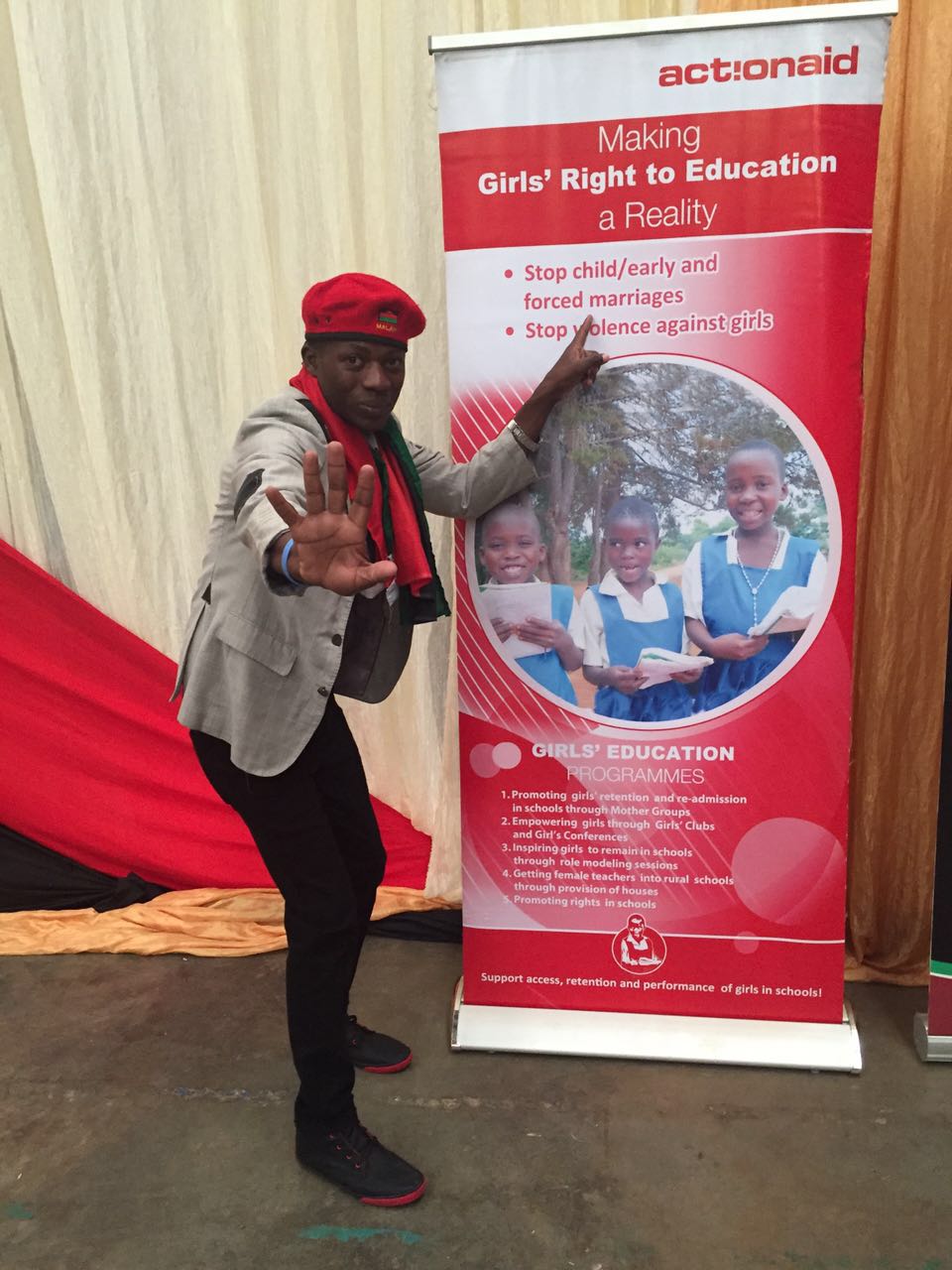
Another major focus of his solidarity speech was youth employment and economic empowerment. The solidarity speech highlighted the urgent need for governments to invest in youth empowerment and job creation programmes. Recognising that Africa has one of the youngest populations in the world, Edward stressed that the continent’s future depends largely on the opportunities available to its young people today.
He highlighted the persistent challenges of unemployment, underemployment, and limited access to economic opportunities facing many young Africans. According to Edward, investing in youth development, entrepreneurship, skills training, and innovation is essential to unlocking Africa’s potential and achieving sustainable development.
He called upon governments and development partners to prioritise policies and programmes that empower young people with the tools, resources, and opportunities they need to become active contributors to economic growth and social transformation.
Drawing Inspiration from Continental Frameworks
In strengthening his arguments, Edward referenced two important continental frameworks: the African Youth Charter and the African Union Youth Decade Plan of Action. These frameworks serve as guiding instruments for advancing youth rights and development across Africa.
The African Youth Charter provides a comprehensive framework outlining the rights, duties, and freedoms of young Africans. It advocates for meaningful youth participation in governance and decision-making processes while promoting access to quality education, healthcare, employment opportunities, and social inclusion.
Edward noted that the Charter recognises young people not merely as beneficiaries of development programmes but as active partners in shaping Africa’s future. Its implementation, he argued, remains critical for ensuring that young voices are included in policy-making processes at local, national, and regional levels.
Similarly, the African Union Youth Decade Plan of Action was designed to address challenges faced by African youth through coordinated interventions in education, employment, health, leadership, peacebuilding, and sustainable development. The framework sought to equip young people with the knowledge, skills, and resources necessary to drive social and economic progress across the continent.
Advocating for Tax Justice and Accountability
Beyond youth-focused issues, Edward’s solidarity speech also addressed the broader issue of tax justice. He underscored the importance of accountability and fairness in taxation systems, arguing that governments require adequate resources to provide essential public services and invest in development.
He stressed that all individuals and corporations should contribute their fair share of taxes and that governments should strengthen mechanisms to combat tax evasion and illicit financial flows. According to Edward, tax justice is closely linked to social and economic justice because it enables countries to finance education, healthcare, infrastructure, and youth empowerment programmes.
Calling for Action and Accountability
Throughout his address, Edward Phiri repeatedly emphasised the need to move beyond dialogue and towards concrete action. He urged participants at the Peoples’ Summit to ensure that youth and child-related concerns were prominently reflected in the final summit communiqué.
He also challenged stakeholders to develop practical roadmaps and monitoring mechanisms that would allow for effective follow-up on commitments made during the summit. In his view, progress could only be achieved if discussions were accompanied by measurable actions and accountability frameworks.
Expressing concern that many issues raised during the 2015 summit remained unresolved, Edward encouraged delegates to focus on implementing existing recommendations rather than continually identifying new challenges without addressing those already known.
Contribution to Governance Discussions
Edward’s passionate advocacy and insightful contributions attracted attention from fellow participants throughout the summit. In recognition of his expertise and commitment to social justice, ZIMRIGHTS invited him to serve as a panellist during its breakaway session on governance.
During these discussions, he shared perspectives on inclusive governance, youth participation, civic engagement, and accountability. His contributions reinforced the importance of empowering citizens, particularly young people, to actively participate in shaping democratic processes and influencing public policy.
A Lasting Legacy
The late Edward Phiri’s participation in the 2016 SADC Peoples’ Summit remains a testament to his unwavering commitment to youth development, children’s rights, good governance, and social justice. His speech reflected a vision of an Africa where young people are empowered, protected, and meaningfully involved in the decisions that affect their lives. Edward Phiri’s solidarity speech continues to serve as a powerful reminder of the need for collective action in addressing challenges facing African youth.
By advocating for stronger action against child marriage, increased youth employment opportunities, adherence to continental youth frameworks, and greater tax accountability, Edward challenged leaders and stakeholders to create a more inclusive and equitable future. His message continues to resonate today as governments, civil society organisations, and young people across Africa work towards achieving sustainable development and social transformation for future generations.
