But I must explain to you how all this mistaken idea of denouncing pleasure and praising pain was born and will give you a complete account of the system and expound the actual teachings of the great explore


Under the School Outreach Programme, CRIDOC sets up and supports child rights clubs in Malawi, mostly in primary schools.
We have already established child rights clubs in Malawi's capital, Lilongwe. We are now taking the programme to remote and rural areas, as resources allow.
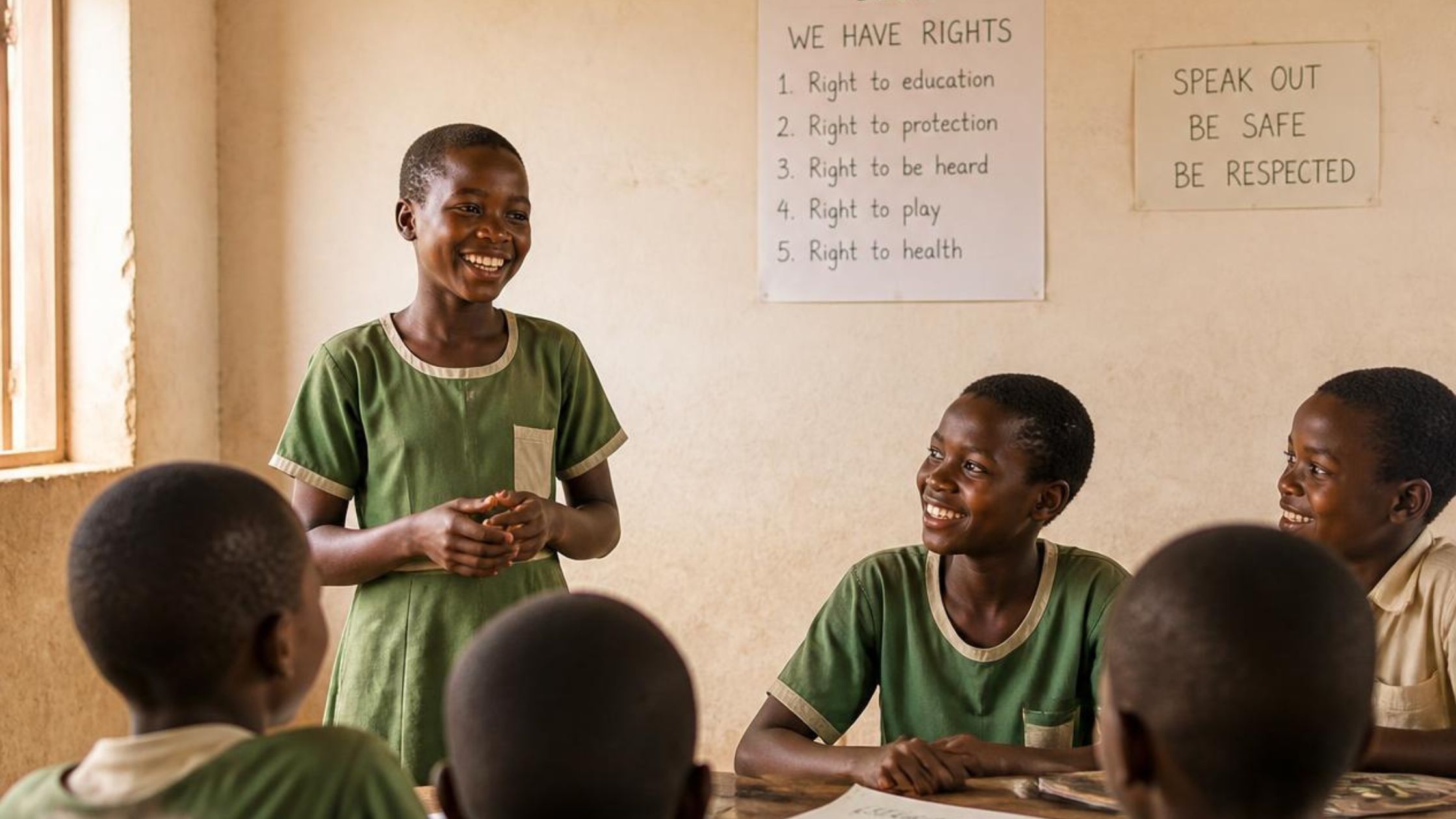
We want children to know their rights and speak up for them. Each club teaches two key texts:
Members learn to educate and advocate. They share what they learn with classmates, families and communities.
Rural children often have the least access to information. Child rights clubs in Malawi's remote schools help close that gap.
We follow the same five steps in each school.
We meet the head teacher and explain the programme. The school names club patrons, ideally one male and one female teacher.
We pick a regular day and time. Then we train patrons on child rights and the CRC legal framework.
Members introduce themselves, share goals and choose leaders. We record names and contacts.
Members review the past year and add their own ideas to the activity calendar.
Clubs meet at least twice a month. CRIDOC staff and volunteers visit to help.
Child rights clubs in Malawi meet in the same place and at the same time. At SOS Primary School, the club meets on Wednesdays at lunchtime. At Ngwenya Primary School, it meets on Thursday mornings. A session with a learning activity can last up to an hour and a half. Ngwenya members asked for drama, sports and human rights tests. We pause meetings during examinations.
Choose a tab to see what members do.
Sessions in child rights clubs in Malawi cover what human rights are, their principles and characteristics, their sources and types, and child rights.
Each month has a theme. Themes include:
Clubs also mark the Day of the African Child, the International Day of Peace and AIDS Day.
Children write essays and poems, sing, draw and create cartoons on child rights issues.
Winners receive:
Members at the first 2013 meeting
The club started in 2012. In 2013, members reviewed the previous year, drew up a new calendar and studied the basics of human rights. Teachers took an active part.
We donated story books, notebooks, pens, child rights booklets and brochures for prizes.
Learners at one 2013 session
The club also began in 2012, in Area 24. Members were keen.
We gave the club story books, notebooks, pens, rulers, booklets and brochures. Ngwenya learners also joined the MISA Malawi media discussion.
Library launched on 2 May
Chimvite has a school library and teachers' offices. The community built them with USAID funding.
Tap a lesson to read more.
We want every child to know their rights, not only those in the city. We are working towards clubs in remote and rural schools.
This depends on funding for:
Do you want to support a school club or start one in your school? Here are some ways to help:
Together, we can reach more schools.
Contact CRIDOC (opens in a new tab)