

But I must explain to you how all this mistaken idea of denouncing pleasure and praising pain was born and will give you a complete account of the system and expound the actual teachings of the great explore


Child scavengers in Malawi pick through rubbish heaps for food and items to sell. CRIDOC has followed their story since 2010.
This article shares what we found at the Lilongwe dumpsite and what happened next.
Kilometres
The Lilongwe dumpsite is near Six Miles, about 10 kilometres from the city.
Children
The National Youth Council (NYCOM) said close to 2,000 scavenging children visit the site.
Hours
Trucks and lorries dump fresh waste there nearly every two hours.
Young people
A youth project later moved 280 children and young people away from the dump.
The waste includes hotel leftovers, expired food, drinks and medical waste.
In 2010, CRIDOC teamed up with NYCOM. Together we made videos and radio features. They showed children risking their lives at the big dumpsites in Lilongwe and Blantyre.
CRIDOC and NYCOM show children at risk at the dumpsites in Lilongwe and Blantyre.
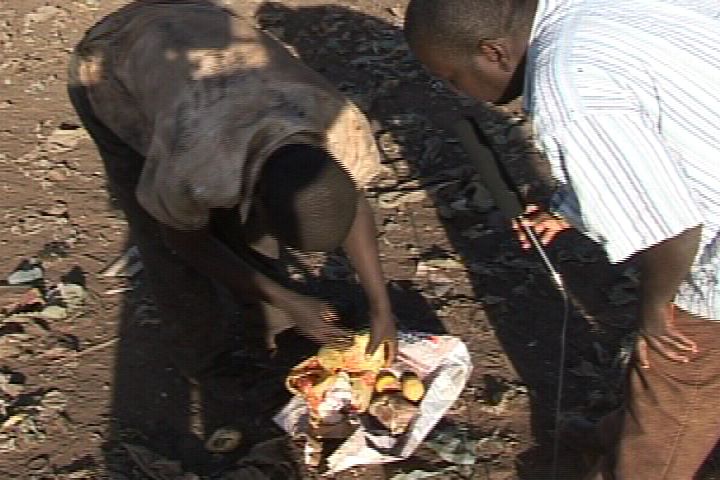
Children at the Lilongwe dumpsite tell researchers about expired chicken sold as street food.
A NYCOM project offers scholarships and skills training.
Five years later, children at the Lilongwe dumpsite shared a shocking secret with researchers. Shops were throwing away expired dressed chickens. The children collected them, and buyers bought them as street food.
The children said their chicken cost far less than shop chicken. Customers were happy to pay the lower price. So the children had no trouble finding buyers.
Another child said that others want quick and big profits. The children only wanted to survive. For many child scavengers in Malawi, the dump was a daily source of food and money.
Rotting food and medical waste are a health risk to anyone who handles them. Children who sift through this waste risk illness and injury. Buyers who eat the food they sell face risk too.
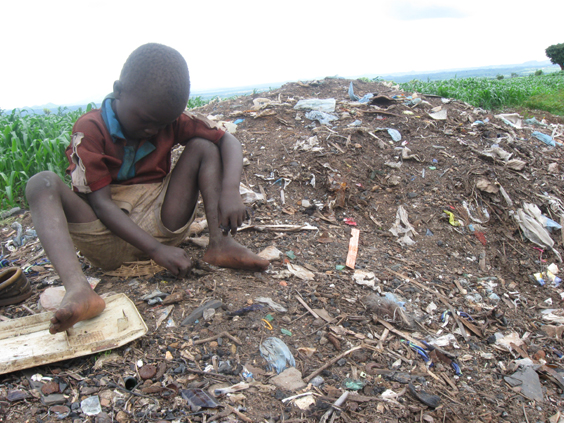
The UN Convention on the Rights of the Child says every child has the right to be protected from harmful work. Child scavengers in Malawi are still waiting for that promise to be met.
NYCOM ran a project to move children off the dumpsite. Aubrey Chibwana, then its Executive Director, said it reached 280 children and young people in two years. They received scholarships. They also trained in carpentry, tailoring and bricklaying.
Mr Chibwana was frank about the challenge. Change in behaviour, he said, is always slow.
A trade gives a young person a way to earn without the dump. It also builds pride and a future. The International Labour Organization shares how communities tackle child labour in Malawi. Their examples show that local action matters.
Child scavengers in Malawi need more than food. They need school, safe homes and skills. You can help in three ways:
Read more about our mission on the CRIDOC homepage.
Together, we can help child scavengers in Malawi leave the dump for a better life.
Contact CRIDOC (opens in a new tab)