


When it comes to child health advocacy in Malawi, getting a child vaccinated, receiving proper nutrition, or being registered at birth may sound like simple, routine steps. Yet in Malawi, these services are not always easy for every family to access. Long distances to health facilities, shortages of resources, poverty, and limited public awareness can all create barriers that prevent children from receiving the care and support they need.
This is where child health advocacy becomes essential. Advocacy brings together community leaders, health workers, civil society organisations, and policymakers to identify gaps in services and push for solutions. It helps ensure that government programmes are properly funded, health facilities are equipped to serve communities, and families understand the importance of services such as immunisation, nutrition support, and birth registration.
Behind every vaccinated child, every well-nourished infant, and every birth certificate issued, there is often a network of people working to improve policies, strengthen health systems, and hold decision-makers accountable. Child health advocacy in Malawi is the driving force that turns policies into action, helping basic but life-changing services reach more children, especially those in the most vulnerable and hard-to-reach communities.
Quick Answer: What Child Health Advocacy in Malawi Looks Like
Child health advocacy in Malawi involves community groups, health workers and organisations pushing for better nutrition, immunisation and health services for children. Groups such as the Malawi Health Equity Network (MHEN) and its Mother Care Groups lead this work at community level, alongside UNICEF and government health workers.
Why Child Health Advocacy in Malawi Is Needed
Many children in Malawi still face preventable illness and malnutrition. Only around 22 percent of children under five have a birth certificate, which can limit their access to services later in life.
Malnutrition, low vaccination coverage in some areas, and gaps in maternal and newborn care all add to child health advocacy being a pressing task, not a distant policy goal.
UNICEF’s Role
UNICEF Malawi runs a broad early childhood programme covering maternal and newborn health, nutrition, immunisation, early learning, and birth registration. It also supports HIV prevention and treatment for children.
UNICEF combines practical services, such as Vitamin A supplementation alongside immunisation visits, with data systems that help the government plan care more effectively. This mix of service delivery and system-building is central to good child health advocacy.
Grassroots Child Health Advocacy in Malawi: Mother Care Groups
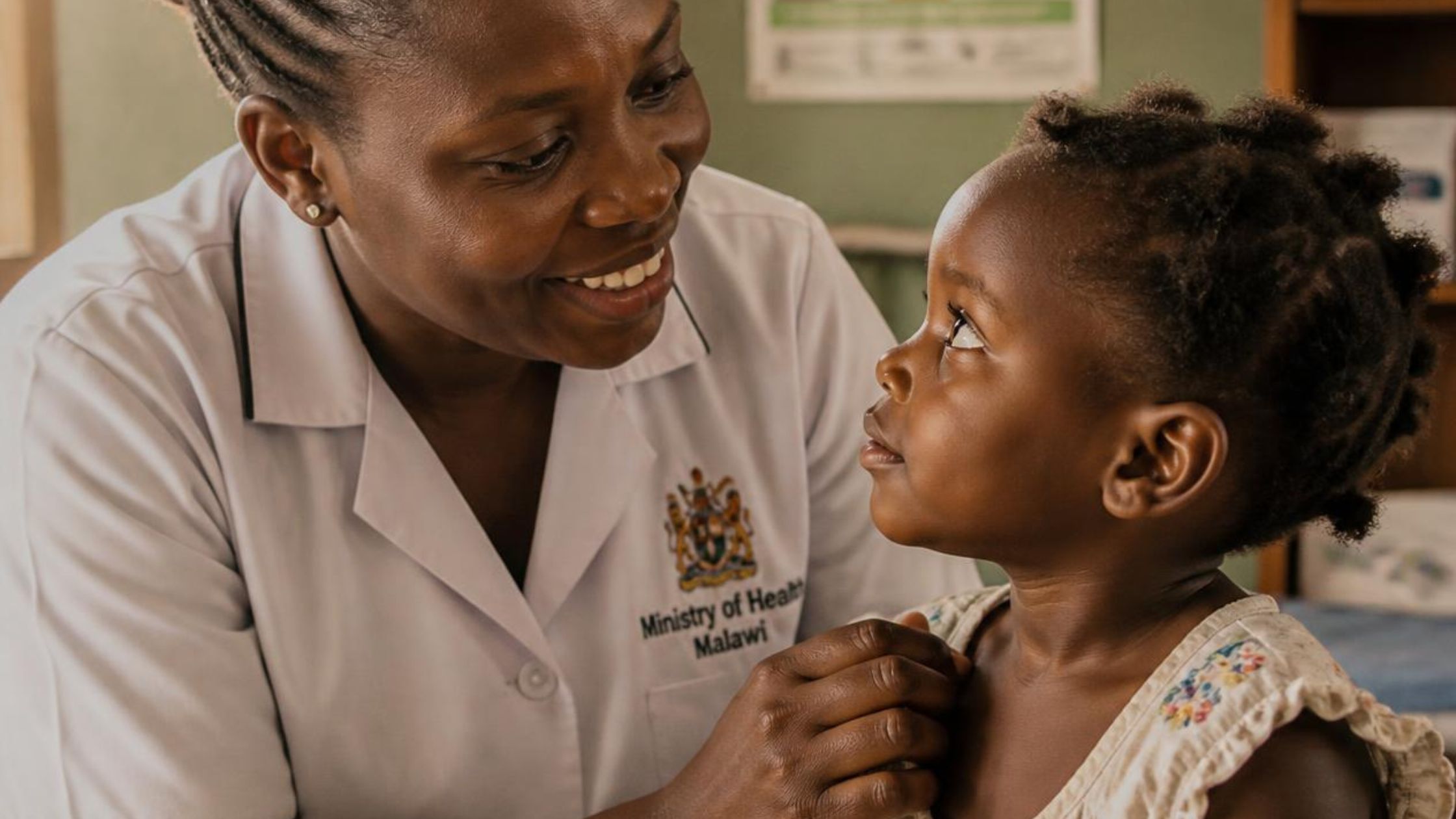
Some of the strongest child health advocacy work happens at village level. The Malawi Health Equity Network (MHEN) has set up 31 Mother Care Groups in Traditional Authority Kalolo, Lilongwe, to raise immunisation coverage for children under five.
These Mother Care Groups teach other mothers why vaccines matter and mobilise families to attend clinics. They also lobby MHEN directly for more training and supplies, showing how community advocacy can shape support from bigger organisations.
Treating Malnutrition on the Ground
Health Surveillance Assistants (HSAs) visit families at home, sometimes twice a week, to check on children’s health and nutrition. Through the Outpatient Therapeutic Programme, malnourished children receive therapeutic food and follow-up care close to home.
Supported by USAID’s Food for Peace Programme, this approach has reached over 21,000 children with severe acute malnutrition treatment in drought-affected districts such as Machinga. This hands-on care is as much a part of child health advocacy in Malawi as any policy campaign.
How You Can Support Child Health Advocacy in Malawi
You do not need to be a health worker to help. You can:
- Support birth registration drives in your community.
- Share accurate information on vaccines and nutrition with families you know.
- Donate to organisations doing child health advocacy in Malawi, such as MHEN or UNICEF.
- Volunteer with a local Mother Care Group or similar community structure.
Why Child Health Advocacy Matters
Child health advocacy in Malawi turns good intentions into real services reaching children who need them. Without it, gaps in nutrition, vaccination and registration would leave far more children behind.
CRIDOC works to promote children’s rights and wellbeing across Malawi, including their right to health. Visit the CRIDOC homepage or read more on the About CRIDOC page to see how the organisation supports children.
Healthier children today build a stronger Malawi tomorrow.

Leave a Reply